
The month is over. The sales were decent and the P&L reported a profit and there was no sign of anything to be seriously wrong.
You then check the restaurant’s bank account.
The number is not the one you were expecting.
Restaurant owners, this gap can be frustrating as the cash flow and profit feel as though they should provide the same information. They don’t. A P&L is a measure of financial performance over a time in time, whereas the bank account is a reflection of the timing of money actually moving in and out of the business.
Understanding the different aspects could help restaurant owners shift their perspective on restaurant finances.
Think about what happens in an ordinary week. Customers pay for meals. Employees have to be paid. Food and beverages are delivered with invoices attached. Rent is getting closer. Credit card deposits have their own specific timing. Taxes on sales are collected but it comes with responsibilities.
The purchase for next week has already begun.
Looking only at revenue or the ending profit number leaves out a lot of the work.
The Clue May Be Hiding in the Prime Cost
If restaurant profits begin to move in the negative direction, food, drink and labor costs need attention.
Cost of goods sold combined with labor is the primary cost. The bookkeeping chef’s guideline places prime costs at approximately 60%-65 percent for a variety of restaurants and emphasizes monitoring on a weekly basis as opposed to waiting until the end of the month.
Effective prime cost management involves less focusing on a single percentage and more attention to the earlier movement.
Imagine that the restaurant’s performance usually within the range of its goals however this week, it was higher. Maybe overtime increased. The cost of beverages could remain the same, while food costs increased. The higher proportion of food could prompt the manager to look at purchasing, waste management, portions and menu mix or vendor charges.
The percentage raises a concern. The answer is found in the activity of the restaurant.
This conversation is possible because everyone is able to recall the events that transpired.
After two or three weeks, it is much more difficult to reconstruct the specifics.
The Vendor’s Bills are Received
A restaurant might purchase its ingredients this week but have to pay for these items later. This is a reason for that understanding profit alone isn’t the answer to all cash questions.
Vendor invoices must be received and logged. In a busy business with numerous suppliers, doing that manually can become its own administrative workload.
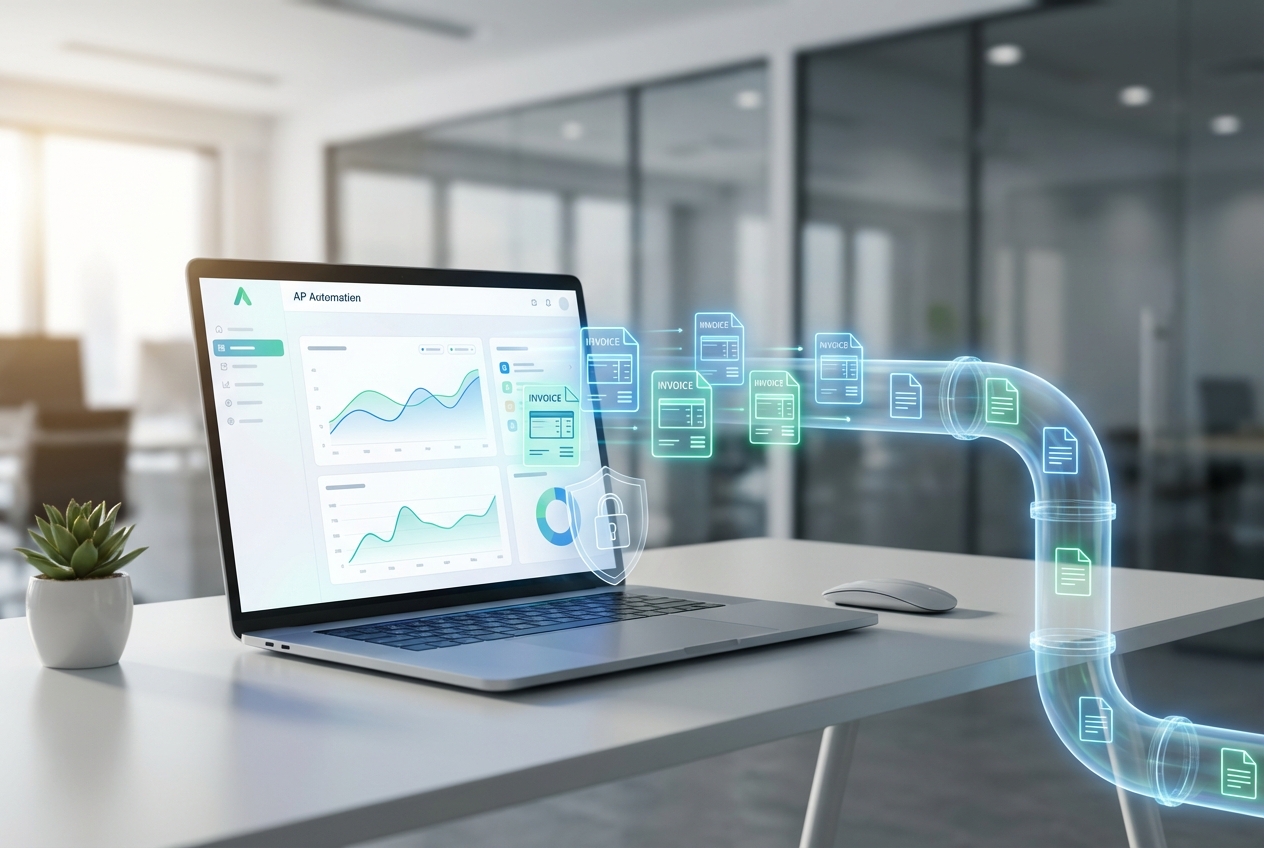
Accounts payable automation helps organize this process by reducing repetitive handling of bills and payment information. The account owner will have an accurate picture of debts that haven’t landed in their bank account through the bookkeeping software that is connected to.
This is useful, because the bank’s balance could seem healthier than a restaurant’s actual situation in the near future.
It might be that there are $80,000 in your account right now. This number can have a different meaning when it is affected by other variables like rent or other expenses, such as payroll, vendors or other obligations for the next few days.
Cash flow forecasting is a natural outcome.
The most appropriate question to ask yourself is “What happens to our cash once we have received the funds and have met our obligations we have made?”
The distinction is important in deciding if this is a comfortable week to repair equipment, make an extra purchase, or keep liquidity.
The money you receive may Not Be Yours
Sales tax illustrates the point in particular.
Restaurants receive money from their customers, which they have to then handle according to the tax requirements. When these money are thought of as grouped together with operating cash, it may make a false impression about the cash available for spending.
Regularly updated records ensure sales tax compliance, while giving management a more realistic perspective of the restaurant’s financials.
Restaurant accounting is more effective when the financial obligations of each restaurant are not handled separately.
Prime cost affects margin. COGS (cost of products sold) and future payments are impacted by purchases from vendors. Payroll and cash availability are affected by payroll. Sales tax affects cash availability. P&Ls are used for recording the financial performance. Forecasting can be helpful for managers.
The pieces are connected.
Bookkeeping Chef helps bring these pieces together with restaurant-focused reports and system integrations. Bookkeeping outsourcing services with specialization are an excellent option for owners who don’t have time to reconcile their financial data. They are able to handle the bulk of the accounting tasks while removing the proprietor from the financial conversation.
It’s the final part that counts.
The aim isn’t to get restaurant owners to stop looking at the books because somebody else handles them. Owners should be provided with information in a form that will help them understand the situation.
So when the P&L says the restaurant made profits, but the account is feeling a little insecure, don’t believe that one of the numbers could be incorrect.
What was the difference between them?
That question can teach you much more about the restaurant than any other number could alone.