
Although Ethereum and Tron are separate networks, a unit of USDT on either is intended to represent the same dollar value. The transaction charges, processing arrangements, and technical conditions associated with transfers differ between the two networks. This difference is fundamental to understanding how stablecoins operate in the cryptocurrency economy.
Tether has occupied an increasingly important position in the digital asset economy since its introduction in 2014. Maintaining a relatively stable price represents one dimension of the token’s broader utility. Tether provides a connection between crypto exchanges, blockchain applications, payment services, and people looking for a digital asset denominated in dollars. The technical operation of USDT does not tell the entire story of its value; the arrangements supporting that value requires separate consideration.
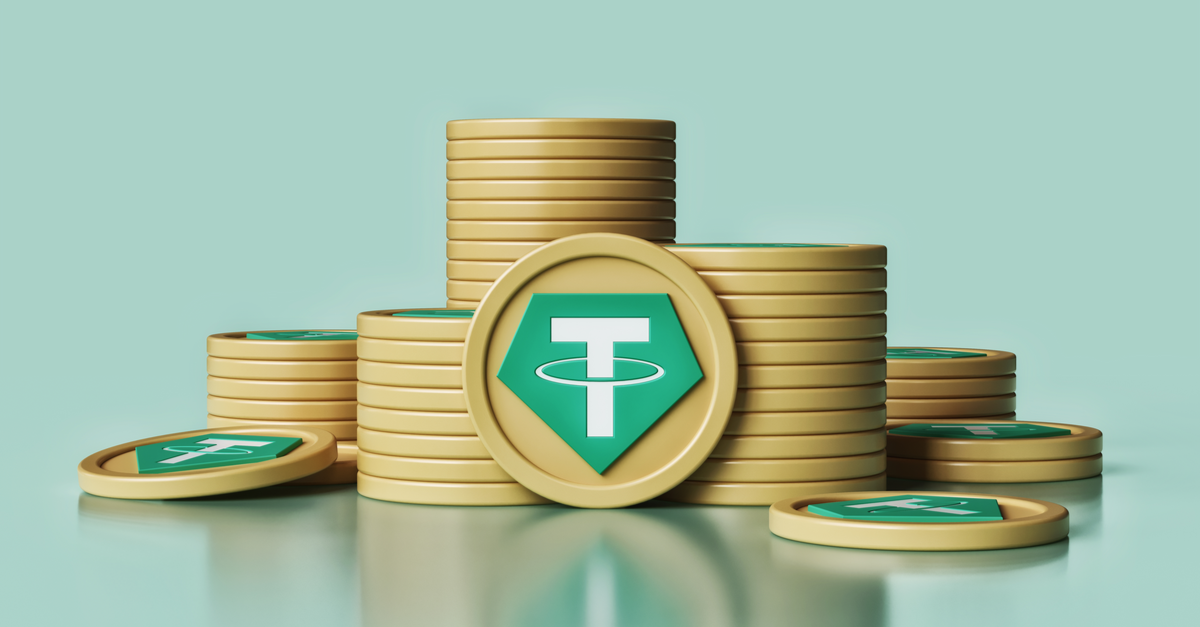
The Financial Foundations of a Digital Dollar
Unlike cryptocurrencies whose prices fluctuate according to market demand, the USDT stablecoin is designed to maintain parity with the U.S. dollar. Tether Limited manages its issuance and redemption, allowing eligible, verified customers to exchange traditional currency for tokens and redeem tokens under applicable conditions.
USDT is supported by reserve assets including U.S. Treasury securities, gold, bitcoin, and additional holdings. How reserves are structured and managed matters because the capacity to meet redemption requests contributes to confidence in a stablecoin.
Reserve attestations provide information about reported holdings at specified dates. The existence of an attestation does not by itself establish that a full financial audit has taken place.
The history of Tether encompasses regulatory scrutiny in the form of investigations, settlements, and periods when its value temporarily departed from its dollar target. The term stablecoin should therefore be understood as a design goal rather than an unconditional promise of price stability.
The Programmable Infrastructure Behind Ethereum Tokens
With its launch in July 2015, Ethereum introduced a blockchain that could support more than straightforward digital currency movements.
Its smart contracts allow developers to create applications governed by computational rules established in advance. These instructions run across the network within an environment called the EVM, short for Ethereum Virtual Machine.
For USDT on the ethereum blockchain, the usual token standard is ERC-20. Compatible wallets, exchanges, and decentralized applications can work with the token using recognized technical conventions.
In September 2022, Ethereum moved to proof-of-stake, changing its transaction validation mechanism and substantially reducing energy consumption.
None of these technical capabilities independently guarantees the dollar value of USDT. Token activity is recorded on the blockchain, but the issuer is responsible for the management of reserves and redemption arrangements.
This separation between network infrastructure and financial backing is fundamental to understanding centrally issued stablecoins.
Following USDT Across Different Networks
Tether’s presence extends across several blockchain ecosystems such as Ethereum, Tron, and Solana; its earlier development was also linked to token infrastructure based on Bitcoin.
The networks are distinct in terms of transaction charges, confirmation processes, wallet compatibility, and the applications they support. A token’s shared name does not make different blockchain networks interchangeable by default.
Crypto exchanges form another connection between blockchain ecosystems through support for trading, deposits, and withdrawals across selected networks.
There are also substantial differences among stablecoins themselves. USDC, Dai, Euro Tether, and Tether Gold illustrate different models for issuance, collateral, governance, or asset references. Gold rather than the U.S. dollar is the referenced asset for Tether Gold, for example. To appreciate the differences, readers need to examine more than token valuations and market capitalization.
Readers can explore these related subjects through TetherWiki, an independent crypto encyclopedia without affiliation to Tether Limited. Topics in its knowledge base range from stablecoin history and blockchain technology to cryptocurrency exchanges, reserve structures, and regulatory developments including the U.S. GENIUS Act.
These resources can clarify the distinction between what technology can do, financial assurances, and regulatory obligations. A complete understanding of Tether involves three distinct areas: the issuer managing financial support, the blockchains recording transactions, and the regulatory environment governing operations. These three elements explain how a digital token with a one-dollar design objective came to occupy a place in an intricate international financial ecosystem.