
It doesn’t take a pump station to cease functioning for it to become troublesome. The pump station may be able to transport wastewater or stormwater every day but struggle when the demand is high, need regular maintenance or rely on controls that are difficult to maintain. The equipment is functional, but its original design may not be able to reflect the changing conditions around it.
For developers, municipalities, and facility managers, understanding the difference is an essential aspect of preparing infrastructure improvements.
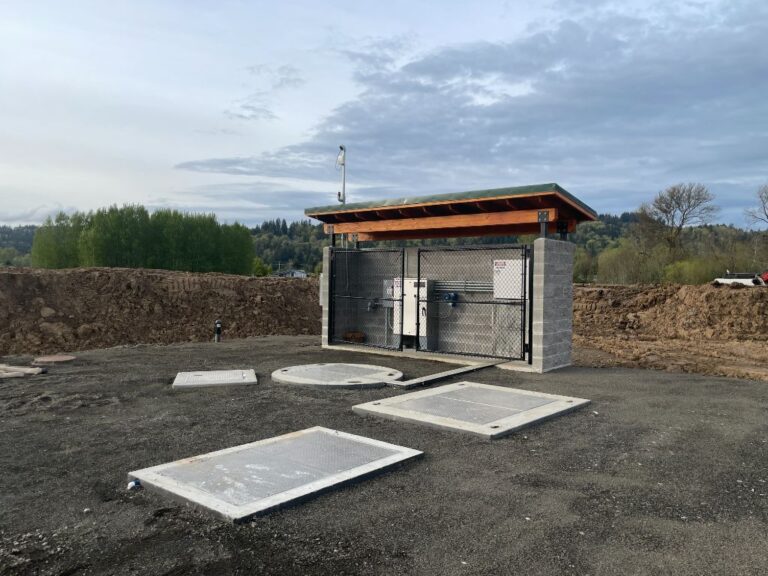
Image credit: romtecutilities.com
The Equipment that is failing is Not the Only Problem
The retrofitting process of a wastewater liftstation should begin by assessing the entire system, and not just the pump. Engineers must evaluate the water well, mechanical components and electrical components, as well as controls, discharge pipe, as well as the current needs for pumping.
The state of a wet well is vital. It could be possible, in the event that the structure is sturdy that it be kept and also replace old equipment. This will reduce the amount of construction needed when compared to building a completely new station. However, maintaining the existing infrastructure is only a good idea when it can support the enhancements that are planned.
Have the areas of service changed?
An old wastewater station may be serving additional homes, industrial buildings or commercial properties.
The changes could affect flow rates and operational demands. In order for lift stations to be successful in rehabilitation, it’s not enough to revert back to original specifications. Engineers must evaluate future and planned flows as well as the equipment’s capacity and reliability.
It’s not enough to simply buy a bigger pump. New equipment has to be compatible with the existing piping system, wet wells, electric supply, controls and so on. If you modify one of the components the problem could be in other areas.
Stormwater Retrofits Have Different Priorities
Retrofitting an existing pumping station for stormwater may bring additional issues due to the fact that runoff is affected by surrounding development and rain. The inflow pattern of a station that serves a detention area may differ from one that is receiving water directly through the storm drain. The addition of new pavement, larger parking areas, or an altered drainage infrastructure can also change the frequency and amount of runoff reaching the station.
Before recommending a stormwater station upgrade, engineers should review the contributing drainage area, expected peak flows, storage capacity, discharge conditions, and existing pump performance.
These results help determine if equipment modernization will be sufficient or if the station requires larger reconstruction.
Plan Construction Before Interrupting Service
The operations of the station in rehabilitation is frequently forgotten. The general rule is that wastewater systems cannot be shut down without a plan for flow management.
The construction process may involve the installation of temporary bypass pumps or even replacing the infrastructure surrounding the operational station.
It is also essential to prepare for stormwater-related projects because the system may be needed during rainstorms that are not expected. The engineering plans must include the installation process, temporary operations and equipment integration.
Making the finished system easier to operate
Romtec Utilities is a provider of engineering services for sites supply and solutions for Stormwater and wastewater Pumping Applications.
Its retrofit approach evaluates the structural, mechanical, electrical, and communication elements are able to remain in place and which need replacement. The company also offers initial designs and budgetary estimates to help owners evaluate project possibilities.
After installation, the testing of startup Commissioning, operator training and maintenance documentation help establish that the newly upgraded station operates in accordance with its specifications. Rehabilitation projects that are successful should provide operators with an easy-to-maintain system.
Upgrade the System, Not Only Its Age
A pump station that is older might not need to be replaced completely. It’s possible that structures will be functional for a long time even if the mechanical and electrical systems require updating. It is essential to identify what can be kept safely and economically, while ensuring that the station’s finished product will meet future and current requirements.
When they look at the overall operational conditions and structural integrity in addition to the construction requirements and hydraulic constraints, owners are able to make better-informed decisions.
The goal isn’t simply to make an old system operate again. It’s about ensuring that the system that has been upgraded is properly prepared for the work ahead.