
Emergency medical services (EMS) which is a vital and noble profession, provides an exciting job that revolves around the saving of lives and providing critical healthcare. If you’re contemplating being an Emergency Medical Technician (EMT), or even getting into the prestigious job of a Paramedic then you’ll be stepping into an occupation with huge potential for growth and a high demand for highly skilled professionals. In this article, we’ll guide you through the steps to become an EMT and paramedic, exploring the various training options available, including DSHS approved EMS training course.
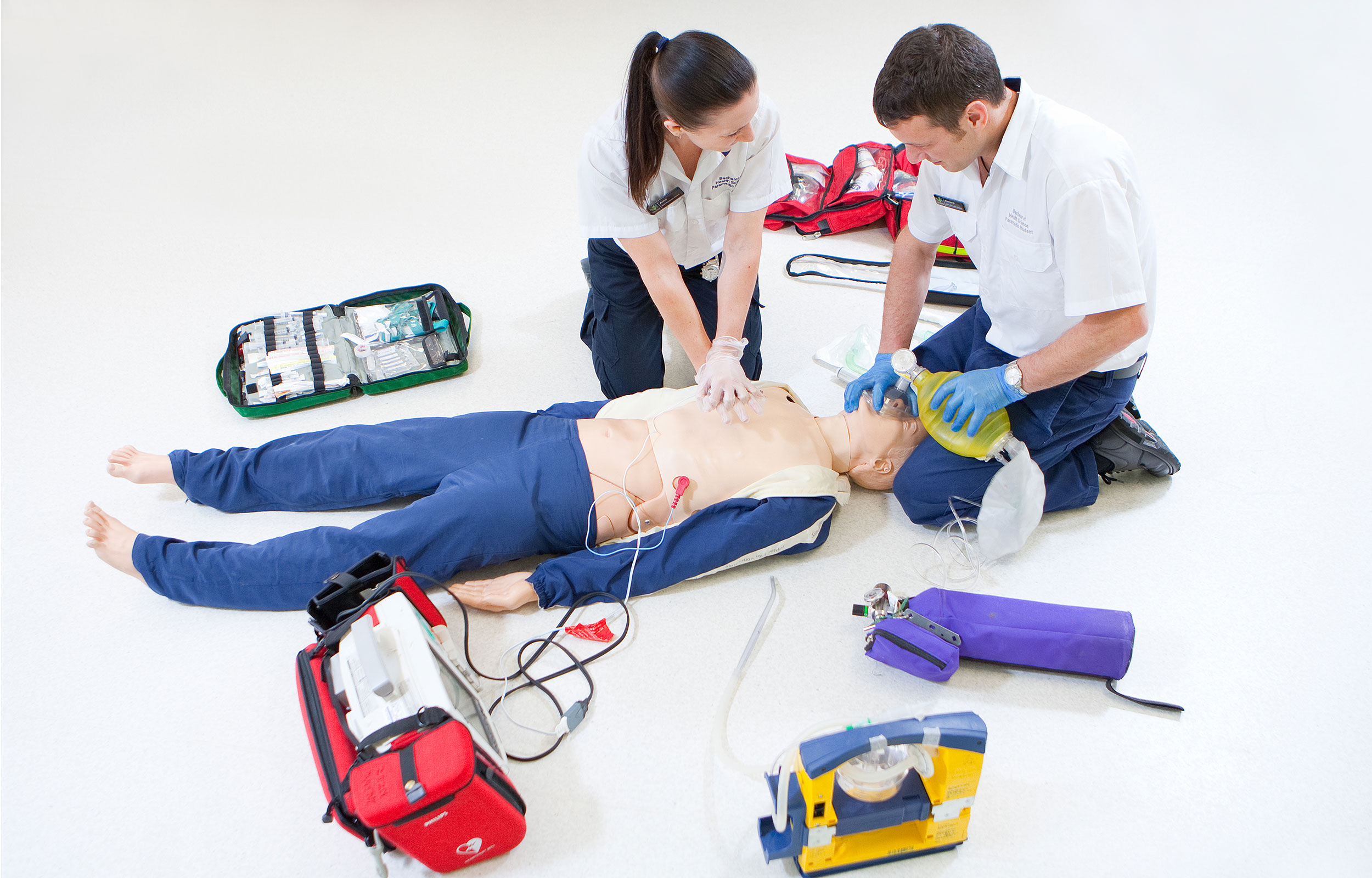
Understanding the role and function of EMTs Paramedics, EMTs
Emergency Medical Technicians, also known as paramedics or EMTs are the initial emergency responders. They provide immediate medical care. They are trained to evaluate and manage patients and take them to medical facilities to receive more treatment. Paramedics and EMTs are vital in stabilizing patients in difficult situations, taking split-second decisions and delivering compassionate assistance during times of stress.
Step 1: Become an EMT
To be an EMT In order to become an EMT, you have to successfully complete the required education and training, which can vary depending on the level of certification you aspire to achieve. There are three levels of EMT certification.
1. EMT Basic (EMT B) It is a beginner-level certification that requires between 100 and 150 hours of instruction. EMT-Bs learn about basic medical treatment, including CPR as well as bleeding management and airway management basics.
2. EMT-Intermediate (EMT-I) EMT-I is a level that requires additional training, and it varies between states. In certain areas EMT-I is integrated with EMT-B, while in others, it involves around 200-400 hours of training, with increased medical expertise and intravenous therapy.
3. EMT-Paramedic: This is by far the highest level of EMT certification. It requires intensive training lasting between 1,000 and 1 800 hours. Paramedics are skilled in medical procedures like administering medication, reading EKGs, and managing airways.
Step 2: Pursuing paramedic certification
You must pass your EMT B or EMT I stage before you can be a paramedic. Following that, you’ll be able to enroll in a paramedic training course, which can take about one to two years to complete. Through the rigorous training, you’ll learn about the latest medical issues. You will also acquire the knowledge and skills needed to manage urgent scenarios.
Check out EMT Training options:
You can choose from a variety of EMT classes, based on your level of certification. EMT training is typically offered by community colleges as well as medical trades schools that offer all levels of certification. The programs offer a mix of classroom instruction as well as hands-on training and experience on the field as well as in clinical environments.
Universities and colleges offer EMT programs at the EMT/Paramedic Level If you’re looking for an in-depth, thorough EMT training that leads to a college degree. These programs will give you an understanding of emergency medicine and allow you to make better medical decisions and care for patients.
Step 4: Ensuring DSHS approved EMS Training:
It is crucial for those who are aspiring to become EMTs or paramedics to be sure that the program they choose has been approved by DSHS. The Department of State Health Services (DSHS) is the body that approves EMS courses for training to ensure that they are in line with the highest standards of education and competency. If you sign up for an DSHS accredited EMS training program, you will be able to be assured that you are receiving high-quality instruction and that you meet the prerequisites for obtaining certification.
A career in the field of EMT or paramedic could be highly rewarding and respected. EMTs and Paramedics are primary responders that play an essential role in rescuing and providing medical assistance in emergencies. To embark on this life-saving adventure, prospective EMTs and paramedics must successfully complete the required training and education programs. The applicants can choose from a number of EMT programs, based upon the level of certification they want to attain. They include community colleges, medical schools and university courses.
In addition to evaluating the different training options available You should also make sure that the EMS training program is DSHS certified. By doing so you’ll be sure that you’re receiving top quality education that is up to the standards to obtain EMT as well as paramedic certificates.
The demand for skilled emergency medical professionals increases, EMS provides a wealth of career options and opportunities to improve the lives of others. It is possible to start with the position of an EMT or work your way towards paramedic status. Your dedication to providing vital medical care will be rewarded with an exciting job.